Chilled Water Systems
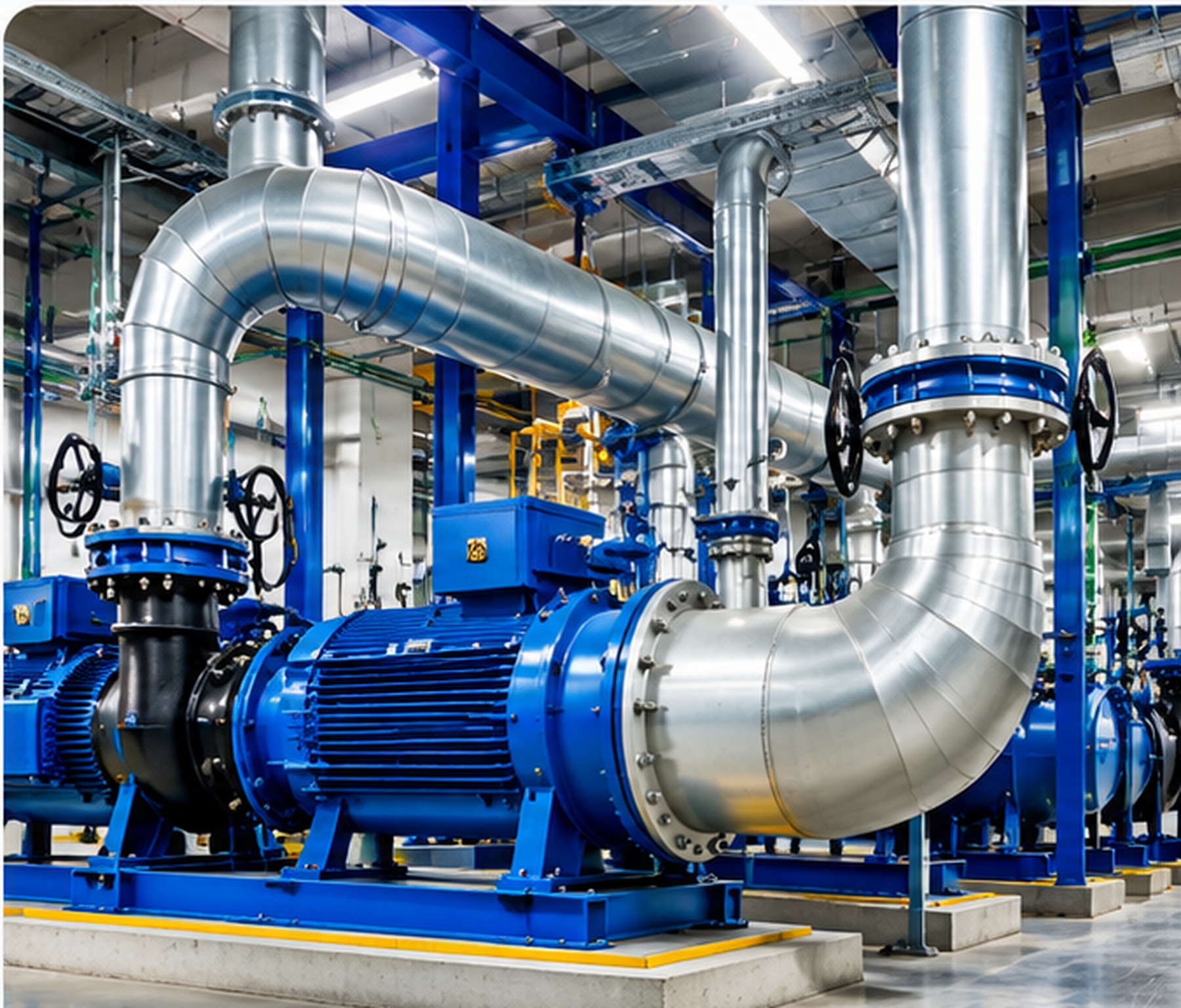
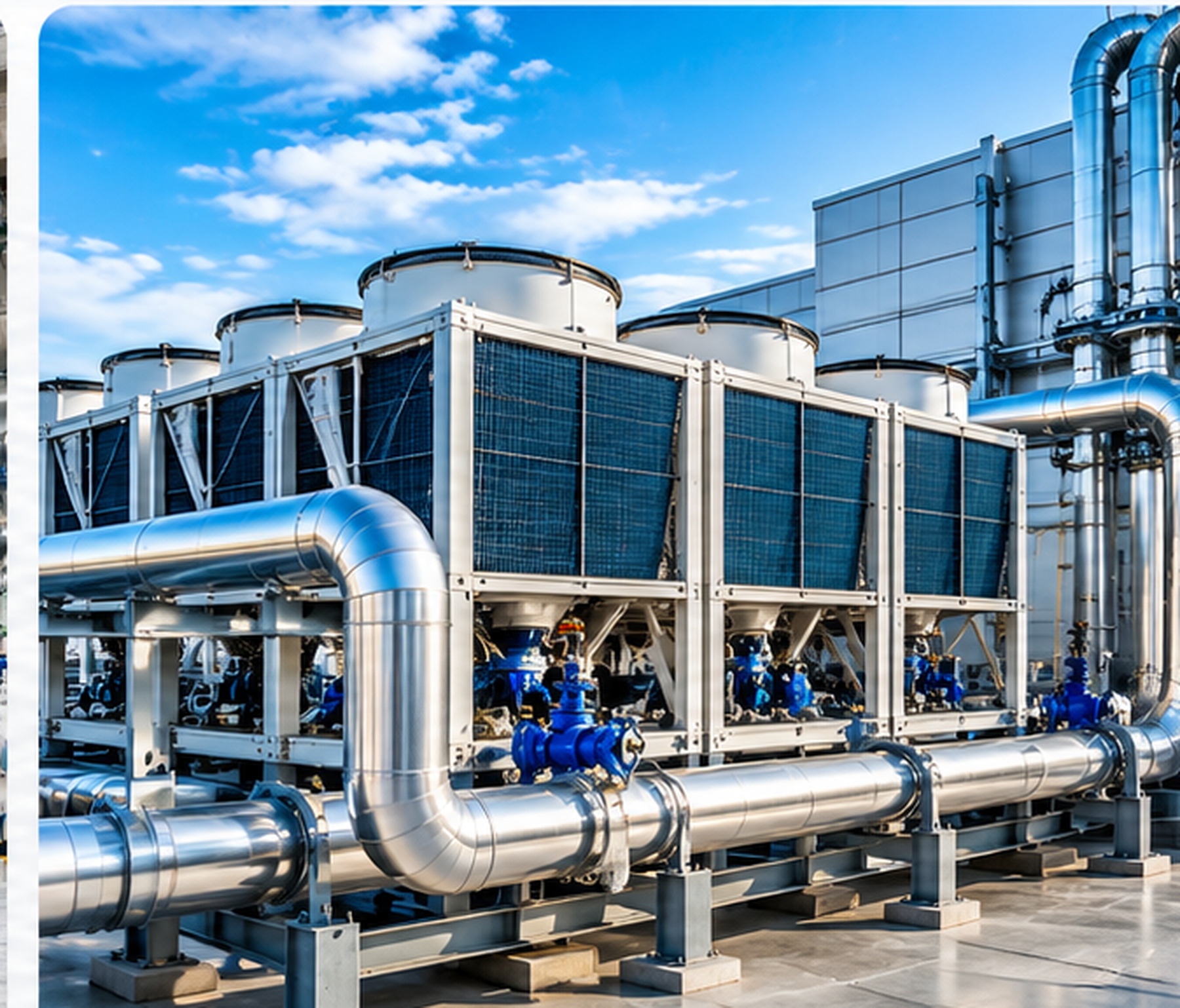
Engineering support for chilled-water based air-conditioning systems and associated distribution.
Integrated HVAC engineering solutions focused on comfort, ventilation, indoor air quality and reliable system performance.

Practical engineering support from system planning and execution through testing and ongoing maintenance.
Engineering support for chilled-water based air-conditioning systems and associated distribution.
Flexible variable refrigerant volume/flow solutions for multi-zone comfort applications.
Close-control air-conditioning solutions for spaces requiring stable environmental conditions.
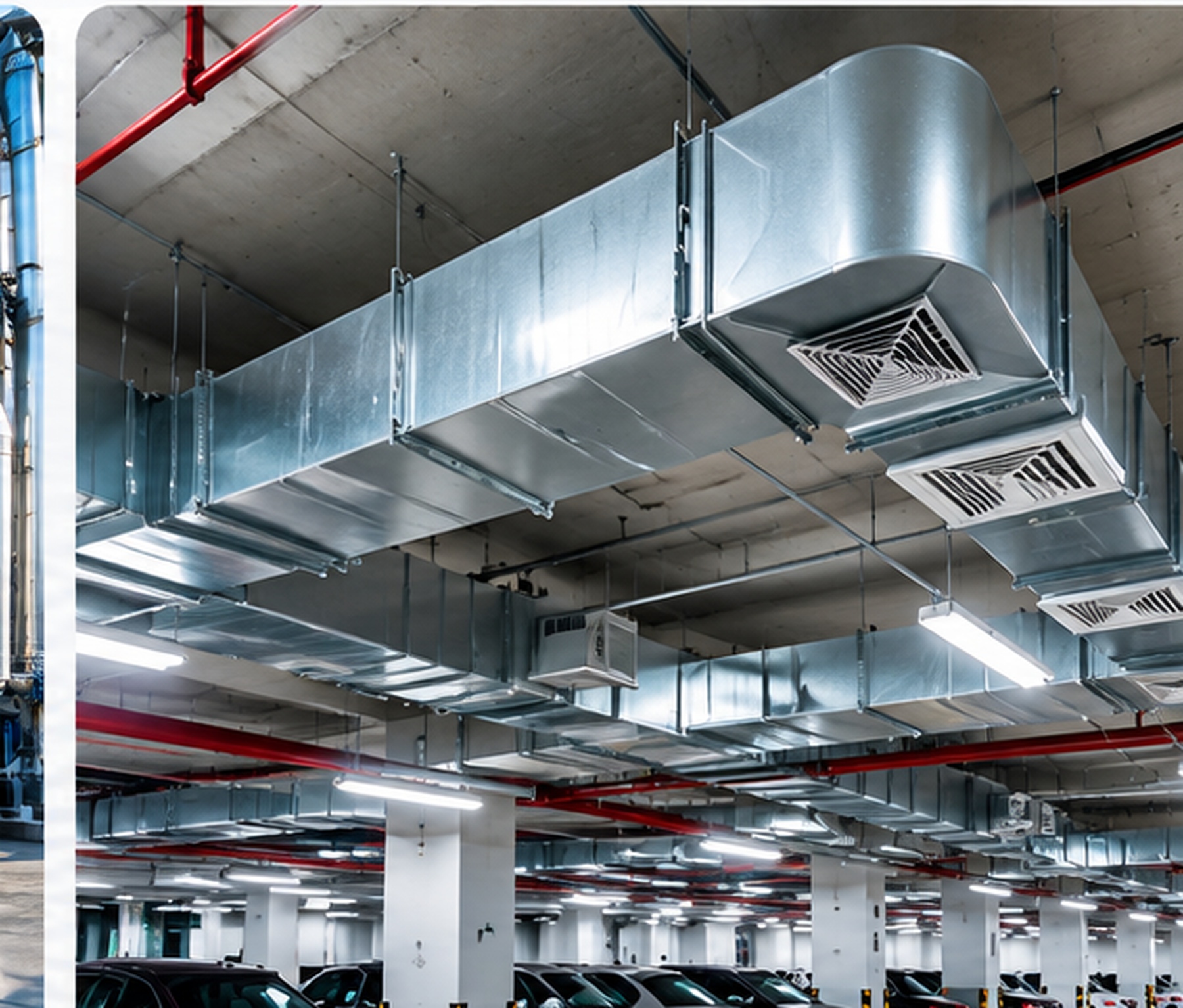
Mechanical ventilation solutions supporting airflow and air exchange in enclosed basement areas.
Exhaust and ventilation solutions designed to remove heat, fumes and airborne contaminants.
Mechanical exhaust solutions supporting ventilation and odor control.
Mechanical smoke extraction solutions supporting building fire and life-safety strategies.
Ventilation and air-quality focused solutions supporting healthier indoor environments.
Coordinated HVAC project delivery for comfort cooling, process cooling, pressurization, ventilation and exhaust requirements.
Explore service →Planned inspections, preventive maintenance and service coordination to support reliable system operation.
Explore service →Upgrades and replacement planning for existing HVAC installations with attention to continuity of operations.
Explore service →Independent system checks covering airflow, hydronic balancing, pressure testing and functional verification.
Explore service →Duct condition assessment and cleaning approaches using inspection cameras, rotary brushes and HEPA-filtered extraction.
Explore service →Measurement-led indoor air quality reviews to identify concerns and inform suitable ventilation improvements.
Explore service →Installation coordination, scheduled servicing and fault assessment for relevant air-conditioning systems.
Explore service →Installation and integration of ducted split and packaged air-conditioning systems for commercial facilities.
Duct fabrication, installation and insulation works to support air distribution and system efficiency.
Ventilation and fresh-air supply arrangements for suitable indoor air movement and building comfort.
Share your requirement with our team for a focused discussion.
AMR ESPL's HVAC scope is structured around the system requirement, site conditions, coordinated execution, testing and ongoing maintenance support.
Engineering support for chilled-water based air-conditioning systems, including the distribution side required to deliver controlled cooling across the facility. Project activities can be coordinated from installation through testing, commissioning and maintenance support.
Variable refrigerant volume and flow systems provide flexible multi-zone air-conditioning for building applications. AMR ESPL supports coordinated system execution with attention to indoor comfort, practical routing and commissioning requirements.
PAC systems are suited to spaces that require more controlled environmental conditions than conventional comfort cooling. The service scope focuses on reliable installation, commissioning and operational support.
Basement ventilation, kitchen exhaust and restroom exhaust solutions support air movement, extraction and indoor environmental requirements. Each application is approached according to the function of the space and its operating needs.
Mechanical smoke extraction forms part of the overall building fire and life-safety strategy. AMR ESPL provides engineering and execution support for smoke-management related mechanical systems within its stated service scope.
Indoor air quality depends on effective ventilation and air management. AMR ESPL's IAQ-related scope supports solutions intended to improve air movement and the quality of indoor environments.
Technical services spanning initial execution, system performance checks, improvement works and ongoing operation. Specific testing methods and maintenance commitments are agreed for each project.
Integrated project coordination for HVAC installations involving comfort and process cooling, ventilation, exhaust and space pressurization. System selections and installation sequencing are planned around the site’s design requirements.
Where relevant, work can include chilled-water distribution, variable-air-volume or variable-refrigerant-flow arrangements and coordination with building management controls.
Scheduled preventive maintenance helps identify wear, check operating conditions and address developing faults before they cause avoidable downtime. Service plans can cover routine inspections, cleaning, performance checks and technical follow-up.
AMC benefits may include improved operational consistency, more predictable maintenance planning, attention to safety devices and better equipment service life. Response commitments and parts arrangements depend on the agreed contract.
Retrofit work addresses ageing, inefficient or changed-use HVAC installations. Activities may include condition assessment, equipment replacement, ductwork or piping modifications, controls updates and recommissioning.
For occupied premises such as offices, hotels or technical facilities, implementation can be planned in stages to help minimize disruption to ongoing operations.
Independent commissioning support focuses on checking installed systems against approved design intent and project requirements. Typical activities include functional checks, measured results and reporting of findings.
Air balancing: measure and adjust supply, return and exhaust airflow to match required quantities. Water balancing: verify and adjust flow through hydronic circuits. Duct pressure/leakage testing: assess duct air-tightness under specified test conditions.
Duct cleaning can use an inspection camera to assess accessible duct sections and document conditions before and after the work. HEPA-filtered negative-air equipment can capture loosened contaminants while rotary brushes, air whips or other suitable tools dislodge deposits.
Cleaning methods depend on duct construction and contamination. Accessible heavy deposits or AHU plenums may require carefully controlled manual or mechanized cleaning, with safe access and system protection.
An IAQ audit can examine temperature, relative humidity, ventilation performance and selected pollutants. The measurement plan may include CO₂, CO, oxygen, ozone, formaldehyde, VOCs and suspended particulate matter, depending on the site and assessment scope.
Where relevant, additional parameters can include hydrogen sulphide, sulphur dioxide, nitrogen dioxide and ammonia. Findings are compared with applicable reference criteria and used to recommend practical ventilation or source-control measures.
Installation and service support for relevant HVAC equipment may include placement and connection checks, operational testing, routine servicing, fault diagnosis and repair planning.
Actual maintenance scope, replacement components and service response terms are determined by the equipment type and agreed service arrangement.
For HVAC, Electrical, Fire Protection Project Execution, Testing & Commissioning and AMC requirements, contact AMR ESPL.